Santiago Day Tours
I’m Serious Day Tour Man AI, your day trip expert. Ask me anything — where to go, how to get there, and what’s actually worth your day.
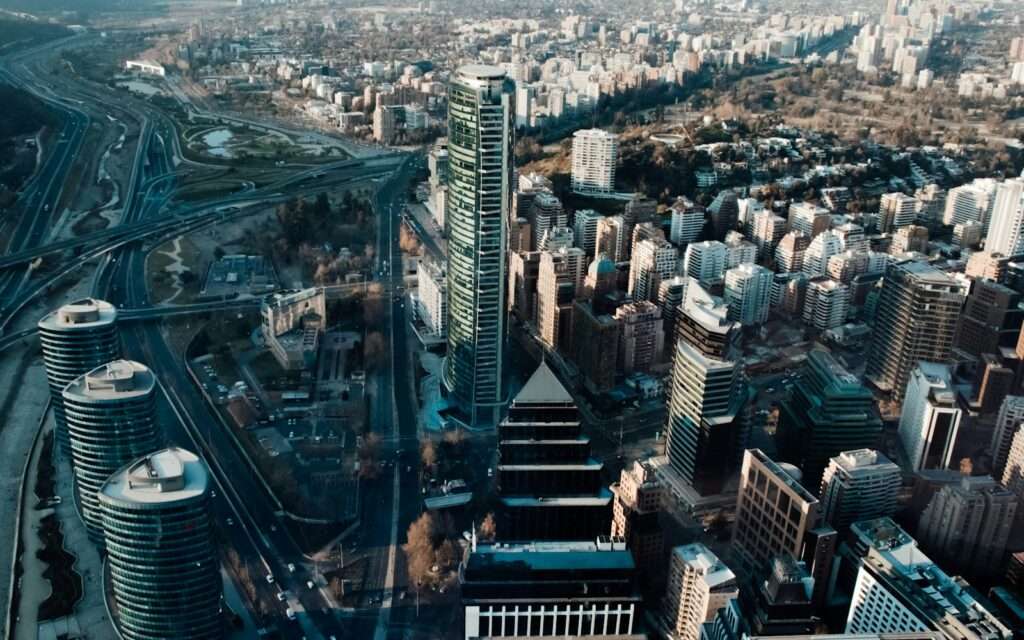
Santiago sits in a bowl between the Andes and the coast range, and its day trips run to both rims: a port city of painted hills and ancient funiculars ninety minutes west, a turquoise reservoir at 2,500 meters up a canyon road east, and — in season — ski resorts reached by a road whose sixty numbered curves are part of the experience and part of the warning.
The wine question splits into two valleys, sorted below. A poet’s house full of ships’ figureheads waits on the coast, and the city section corrects the market question every guidebook gets half-wrong.
Here’s what’s worth a day, with real times and honest trade-offs.

Popular Day Trips
Valparaíso
The Every-Few-Minutes Bus, the Ascensores
Cajón del Maipo
The Turquoise Reservoir, the Unpaved Last Stretch
Isla Negra
Neruda’s Favorite House, First-Come and Closed Mondays
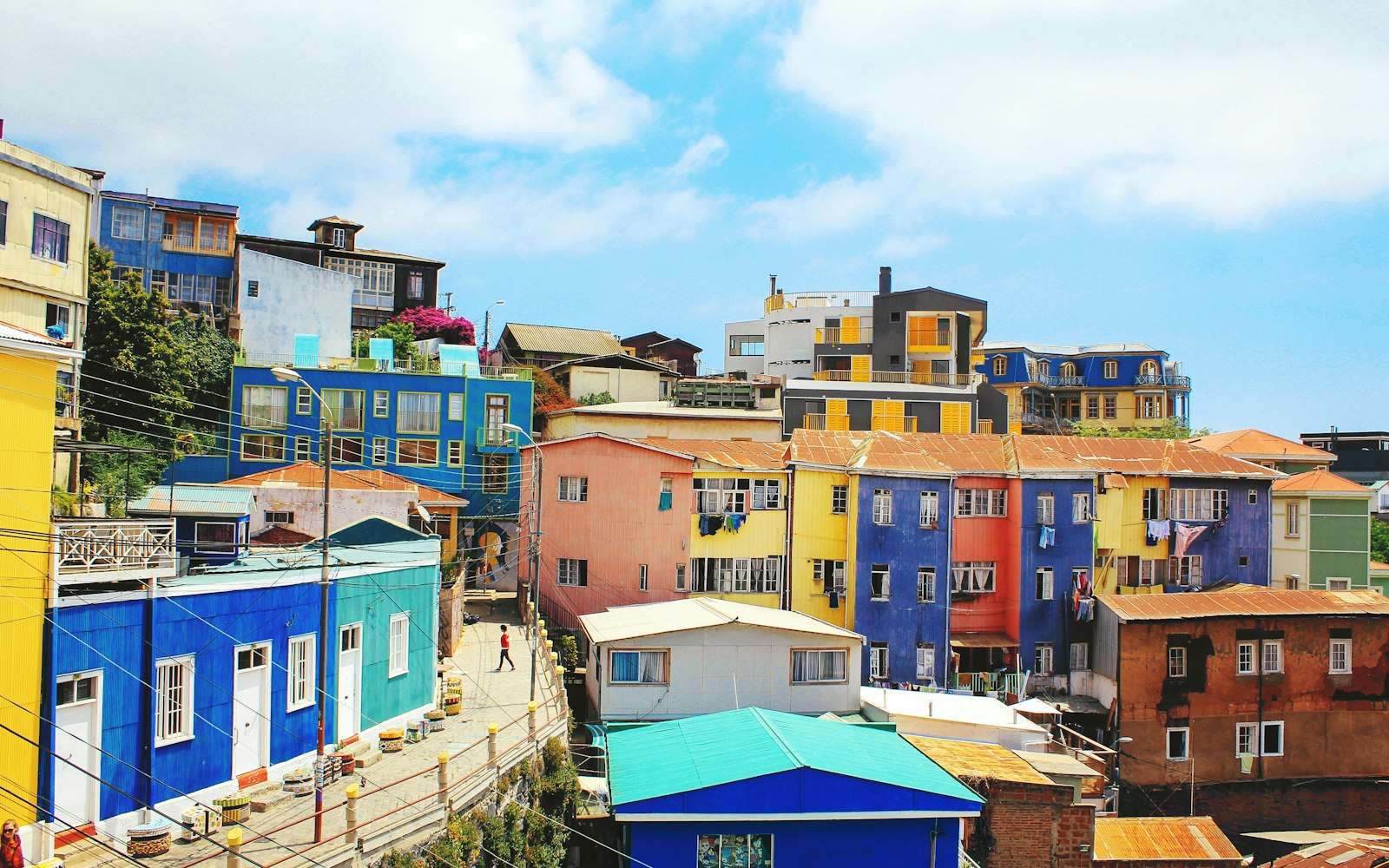
Valparaíso — The Painted Hills
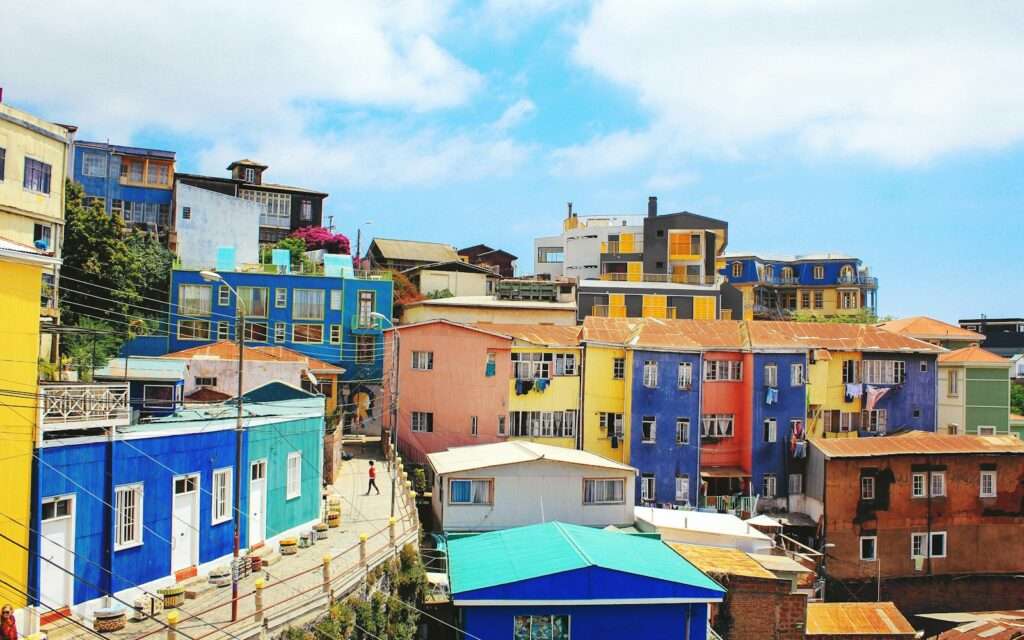
The essential trip runs ninety minutes west. Valparaíso, the Pacific’s great Victorian port, is UNESCO-listed for the improvised amphitheater of houses stacked up its forty-odd hills, and the city runs on verticality. Ride at least one of the surviving ascensores — the century-old funicular elevators; Concepción and El Peral are the working classics — as the admission ritual. Then walk the staircase lanes of Cerros Alegre and Concepción, where the street art runs museum-grade: commissioned, layered, and evolving, with guided walks by local artists earning their fee by reading the walls. Pablo Neruda’s La Sebastiana, the poet’s five-story house of curiosities, keeps the harbor view he wrote into it.
The honesty items: the flat lower town runs rougher — carry minimal valuables, grip the camera, and know that the tourist hills by day are fine while empty staircases at dusk are not; ask current local guidance. The harbor boat tour delivers the amphitheater view plus sea lions for pocket change. And Viña del Mar next door, the manicured resort twin, comes out as beach-and-flower-clock pleasant — skippable when the day goes to Valparaíso’s texture.
The lunch: caldillo de congrio — Neruda wrote the eel chowder an actual ode — at the Mercado Puerto. A full day, and the Casablanca wine pairing below is the classic structure.
Read the full Valparaíso day-trip page.
The Wine Sort — Casablanca & Maipo, Honestly
Two valleys, two answers.
Casablanca, an hour west and en route to Valparaíso — which makes the pairing the region’s best-engineered day — is the cool-climate coastal valley: Sauvignon Blanc and Pinot Noir as the calling cards, polished tasting rooms from Matetic’s biodynamic estate to Casas del Bosque, and bicycle-through-the-vines options for the format-inclined. The tour structure settles who drives home.
Maipo, forty-five minutes southeast, is the historic red valley of Cabernet and old-money estates, headlined by Concha y Toro. The Casillero del Diablo cellar tour is a well-produced brand experience at global scale, with the devil legend told with theatrical commitment; take it as the cheerful marketing history it is. The boutique producers — Viña Aquitania and the Alto Maipo garage winemakers — trade the production values for actual winemakers pouring.
The rule of thumb: Casablanca plus Valparaíso for the classic full day, Maipo for half-day convenience, brand theater versus boutique conversation by temperament. And the carmenère obligation: Chile’s signature grape — the Bordeaux variety lost to phylloxera and rediscovered here in 1994, mislabeled as merlot — is the tasting every visit owes itself, and the rediscovery story is the guides’ best material.
Cajón del Maipo — The Canyon and the Reservoir
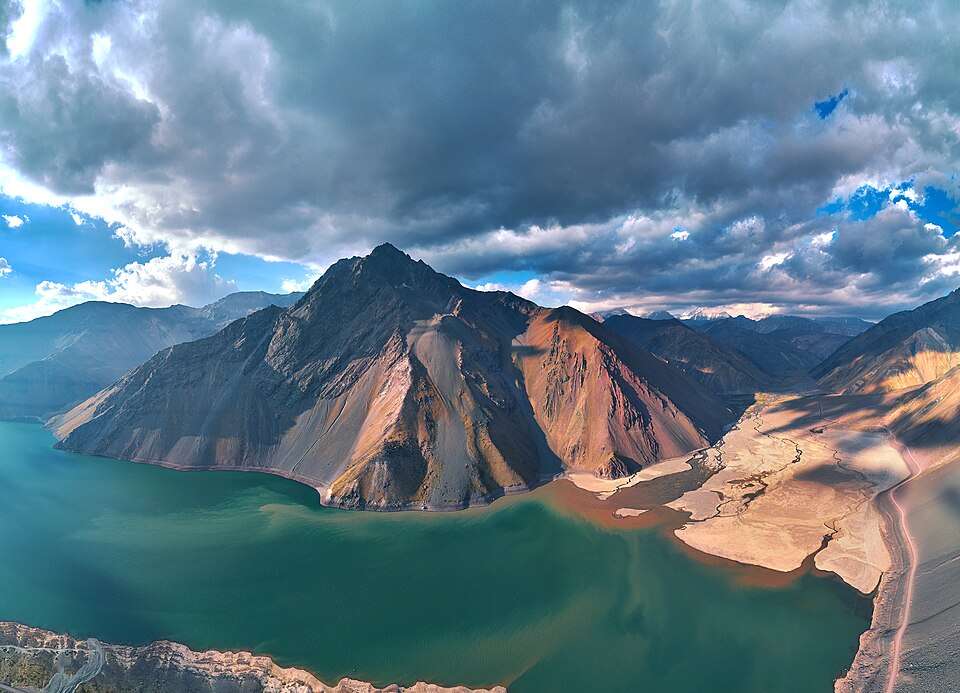
Ninety minutes southeast up the Maipo canyon runs the mountain day that outperforms its distance. The road climbs through gorge villages — San José de Maipo’s roadside quesillo-and-empanada economy — toward the headline: Embalse El Yeso, the reservoir at 2,500 meters whose glacial turquoise against bare ochre Andes is the region’s most photographed water. The final stretch runs unpaved; tours handle it, and rental sedans should think twice.
The add-ons, sorted: the hot springs run from Termas Valle de Colina’s terraced pools at altitude — a rustic, spectacular, full-day commitment — down to the nearer Baños Morales village pools. The Cascada de las Ánimas private reserve covers the walk-and-zipline family format. And the canyon’s upper reaches host stargazing tours under skies the capital’s light dome can’t touch.
Three rules apply: altitude is real, so hydrate double and pace yourself. The road-and-chains question is real June through September, and tours handle it. The verdict: El Yeso plus a canyon lunch is the day. The everything-day, reservoir plus hot springs plus glacier walk, exists in brochures, not in physics.
Read the full Cajón del Maipo day-trip page.
The Andes in Season — Valle Nevado & the Sixty Curves
June through September, the Tres Valles ski complex — Valle Nevado, La Parva, El Colorado — operates ninety minutes from downtown at the end of the Camino a Farellones, whose sixty numbered switchbacks are the trip’s initiation. Chains are carried or fitted in season (the roadside chain-fitting economy is institutional), one-way flow rules apply on peak days — uphill mornings, downhill evenings — and anyone prone to motion sickness should medicate before the curves, not during.
Sort the resorts this way: Valle Nevado is the international-class one, with South America’s benchmark terrain and lift system, and the day trip from Santiago is entirely viable, with equipment rented on-mountain. El Colorado and Farellones cover the value-and-family end. July’s Chilean school holidays and August’s peak snow price and crowd accordingly.
Off season, October through May, the same road becomes a viewpoint drive — the Farellones overlooks and the Yerba Loca sanctuary trailheads — that most visitors never consider. And for northern-hemisphere visitors, this is the answer to “skiing in July”; the novelty is half the booking.
Isla Negra — The Poet’s Coast
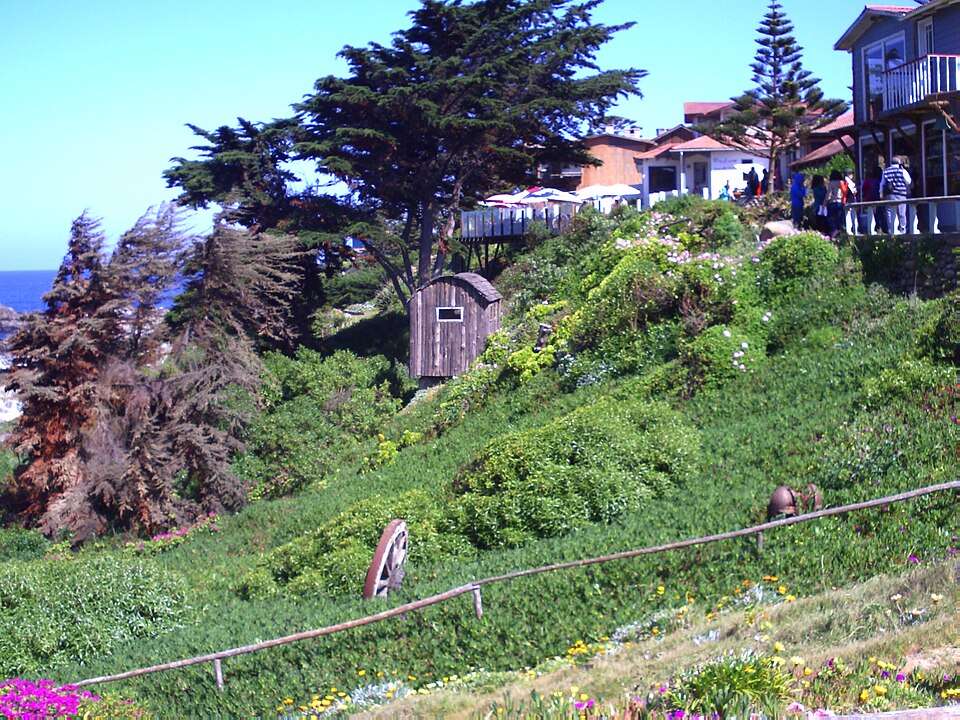
Ninety minutes west-southwest waits the literary pilgrimage. Isla Negra — not an island, despite the name — is Neruda’s coastal masterpiece: the long stone-and-timber ship of a building he filled with ships’ figureheads, bottled ships, narwhal tusks, and the collections of a man who called himself “a librarian of the sea.”
The audio-guided house tour is the best single hour in Chilean literary tourism. Know the current system: there are no advance reservations — entry is first-come with limited capacity, Tuesday through Sunday, closed Mondays — so arrive early in summer and expect a wait at midday. The poet and Matilde lie buried on the terrace facing the Pacific he wrote at for decades.
The add-ons: the wave-battered coast walk below the house, lunch at the restaurants that grew around the pilgrimage — order the machas a la parmesana — and the completist note that of the three Neruda houses (La Chascona in Santiago, La Sebastiana in Valparaíso, Isla Negra here), this is the strongest; the collections and the coast decide it. Pomaire, the clay-pottery village off the route home, adds the artisan half hour and a half-kilo empanada famous enough to count as an attraction. Half to full day; the coastal fog burns off by late morning in summer.
Read the full Isla Negra day-trip page.
The Cerros, the Market Truth & Santiago Itself
The market correction first. The Mercado Central — the guidebooks’ seafood cathedral — is a beautiful 1872 iron building whose central restaurants run tourist prices with tout service. The eating truth is across the river at La Vega Central, the working produce market whose second-floor cocinerías serve the actual cazuela-and-pastel-de-choclo economy at worker prices. Eat where the vendors eat.
The heights: Cerro San Cristóbal by the restored funicular, where the Virgin’s summit view takes in the whole Andes-to-coast-range bowl — with the smog honesty that winter inversion hazes it, and the day after rain is the photographer’s rule. Cerro Santa Lucía’s landscaped follies cover the sunset half hour.
The museums split by register. The Museo Chileno de Arte Precolombino holds the finest collection of its kind on the continent — the textile hall and the Chinchorro material are the substance — and closes Mondays. The Museo de la Memoria y los Derechos Humanos documents the dictatorship years and calls for the sober visit: unhurried, guided if possible, and paired with nothing cheerful.
The rest: Bellavista for La Chascona and the street-art evening, with the note that late-night Bellavista runs loud and light-fingered. Lastarria for the café-and-bookshop stroll. The eating curriculum: the completo italiano — the avocado-tomato-mayo hot dog the country consumes at civilizational scale — pastel de choclo in summer corn season, and the terremoto (“earthquake”: pipeño wine, pineapple ice cream, grenadine), rated honestly — order one at La Piojera for the institution, order a second against advice. October through April is the dry glory window, the ski season owns June through September, and the smog inversion sits heaviest in the windless winter weeks — the coast and canyon trips above are the escape valves the city itself uses.
Frequently Asked Questions
Is Valparaíso safe to visit?
The tourist hills — Alegre and Concepción — are fine by day with standard care: minimal valuables, camera gripped. The flat lower town runs rougher, and empty staircases at dusk are the line locals draw.
Which wine valley should you choose from Santiago?
Casablanca paired with Valparaíso for the classic full day; Maipo for the half-day convenience. Concha y Toro is polished brand theater — the boutique tier pours the conversation. Taste the carmenère everywhere.
Is Embalse El Yeso worth the trip?
Yes — glacial turquoise at 2,500 meters, ninety minutes up the canyon, with the final stretch unpaved. Tours solve the road, altitude rules apply, and the reservoir plus lunch is the day.
Can you ski near Santiago?
June through September — Valle Nevado and the Tres Valles, ninety minutes up sixty switchbacks with chain rules in snow. Day trips work, equipment rents on-mountain, and July school holidays peak the crowds.
Where should you actually eat in Santiago’s markets?
La Vega Central’s upstairs cocinerías — worker prices, the real cazuela. The Mercado Central is a beautiful building whose central restaurants charge tourist rates for the location.